
The complete guide
Choosing a Manual Espresso Machine for Your Daily Coffee
When you want more say in your daily coffee
Buying coffee out is convenient, but it leaves the timing and recipe in someone else's hands. A home espresso machine gives you a place to make coffee on your own schedule. The trade-off is that you take on the preparation and cleaning too.
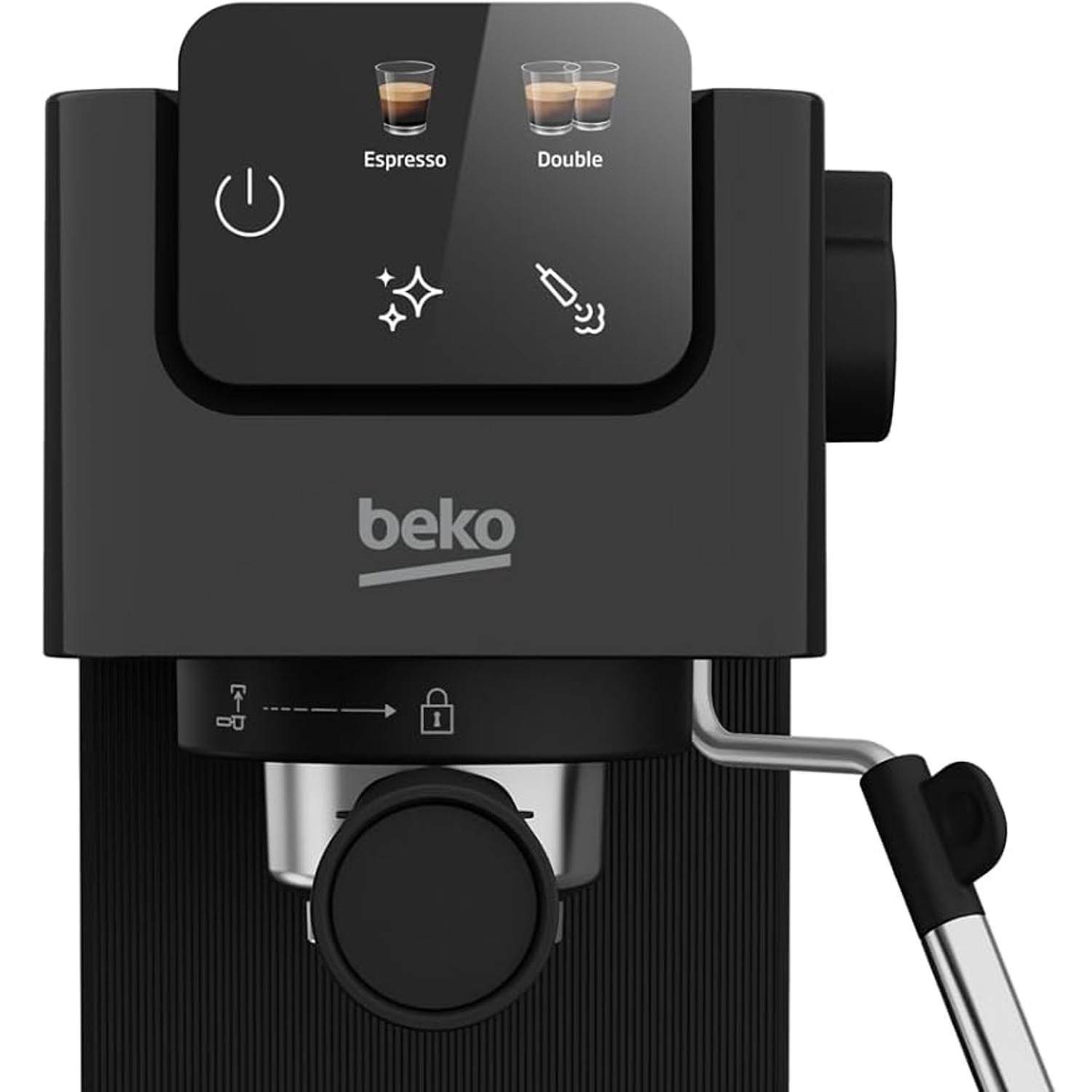
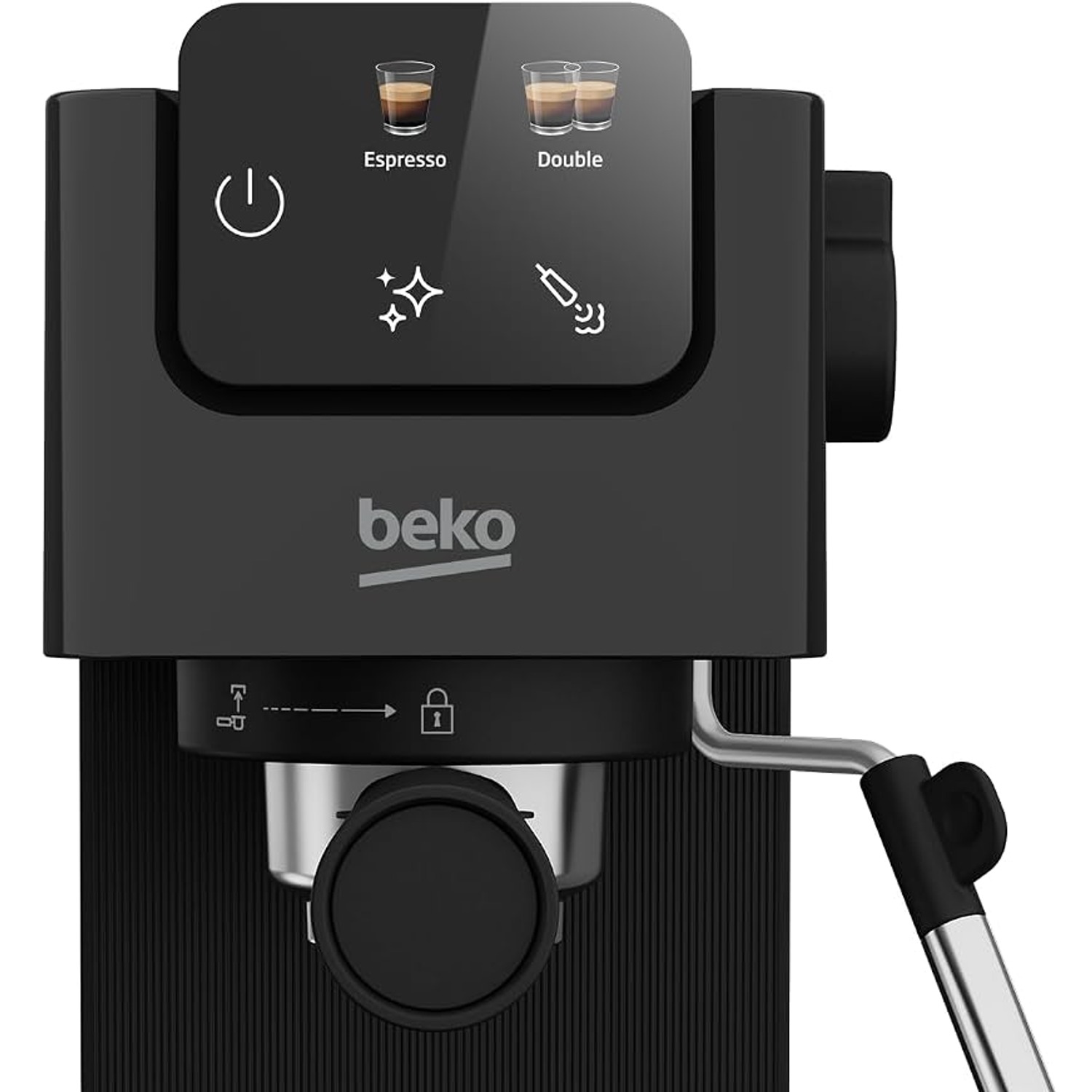
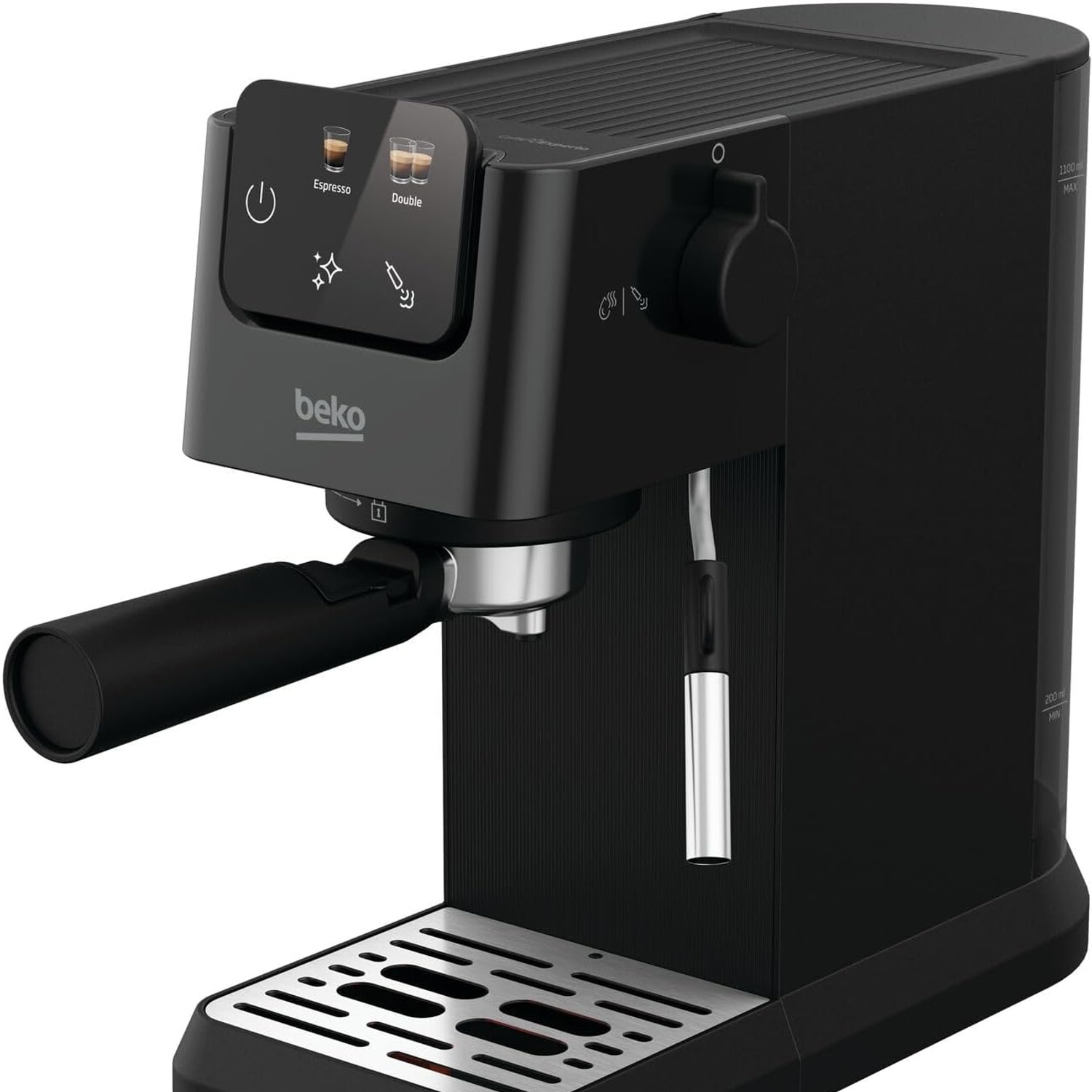
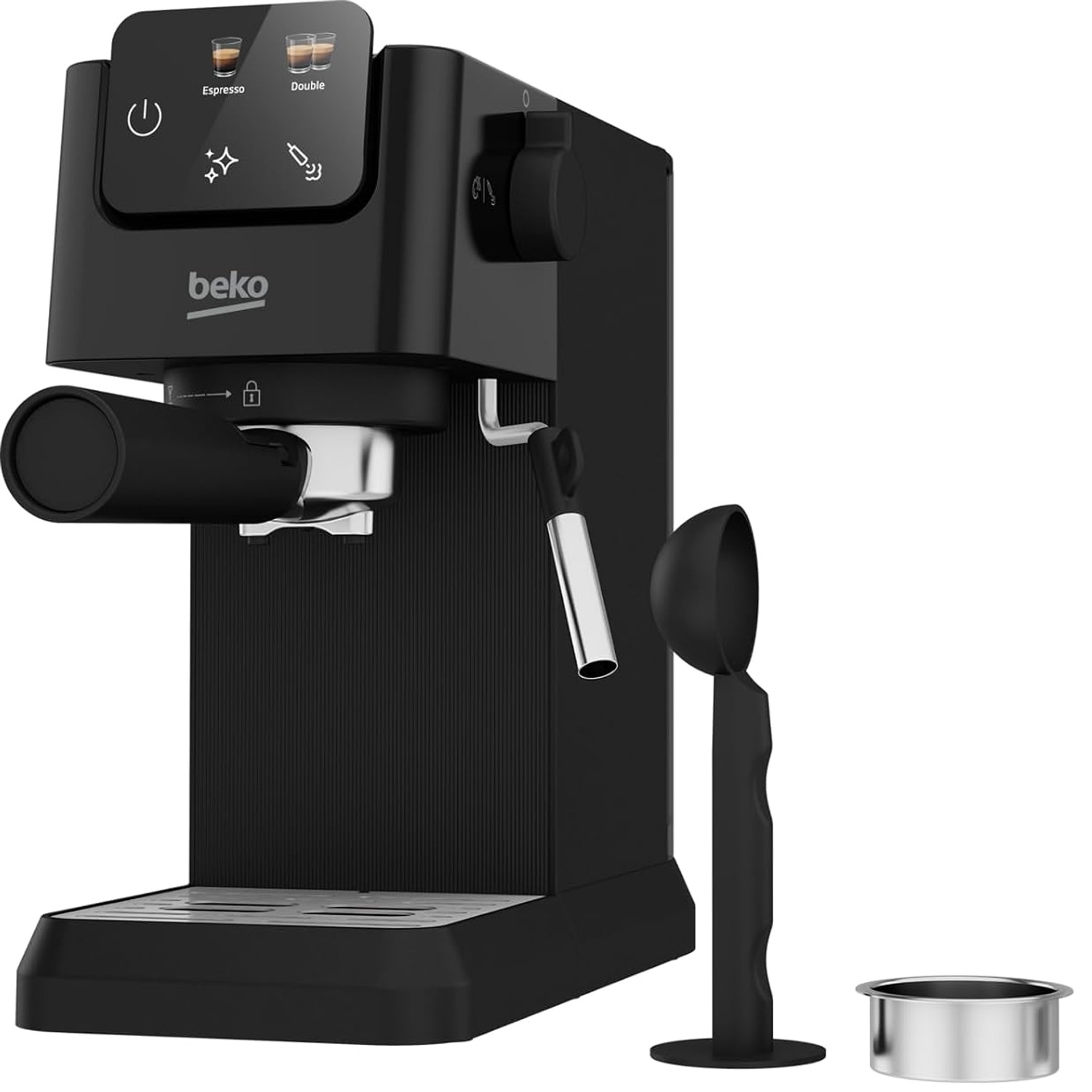
This black manual model is designed around ground coffee, with a reusable filter and an integrated milk frother. It offers a starting point for an espresso routine, whether you like a small coffee on its own or prefer to add milk.
The right choice depends less on a long feature list than on how you want to use it. Think about your counter space, the effort you want to put into each cup and the drinks you make most often. Those details are worth settling before comparing machines.
What manual operation means for your routine
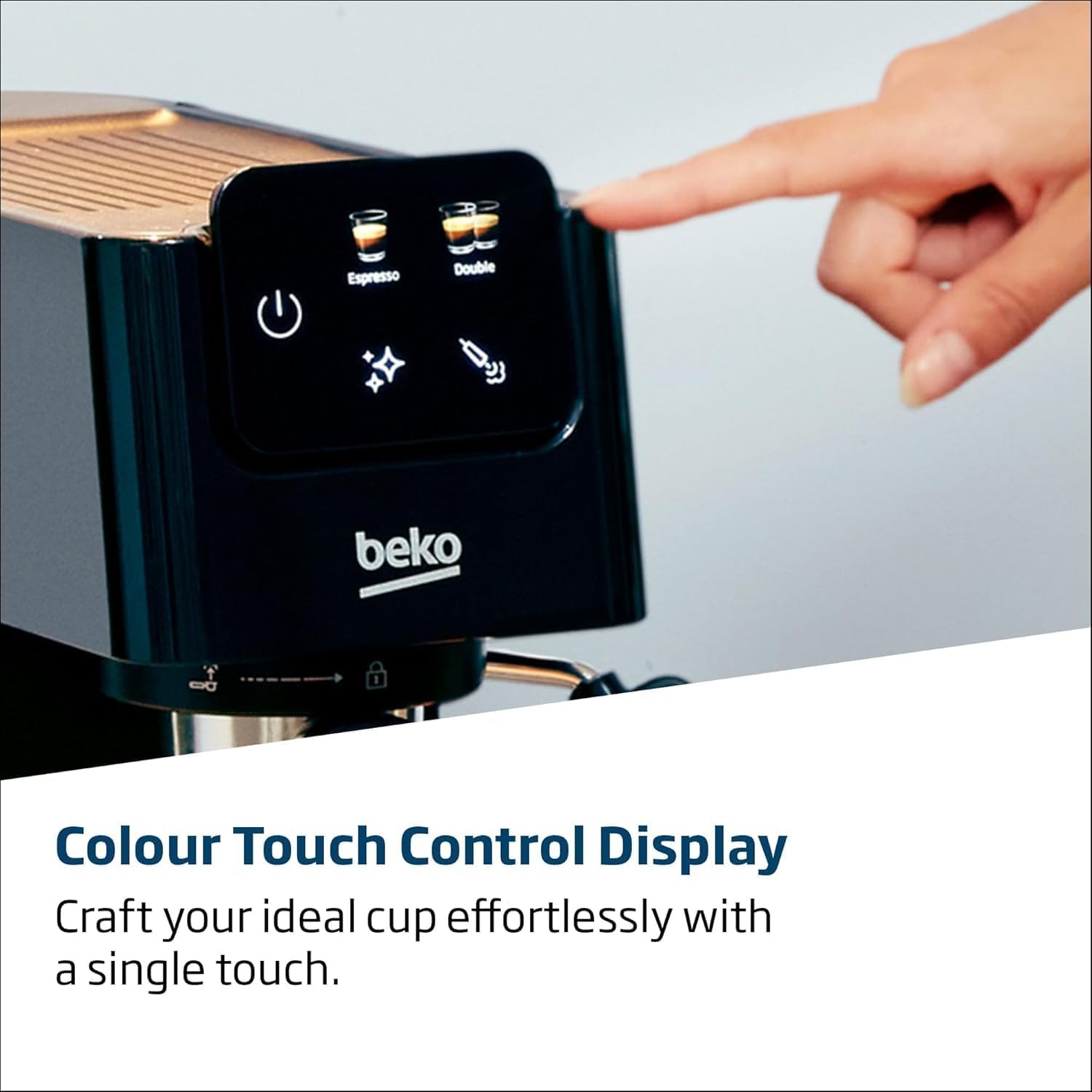
The listed operation mode is manual. That matters because a touch screen can make a machine look more automatic than its stated operation suggests. Do not assume it will grind beans, measure your coffee or prepare a finished latte at one touch.
With a manual coffee maker, you should be ready to take part in preparing the coffee and cleaning up afterwards. The supplied instructions should explain the exact steps for this model. Its detailed control menu and range of adjustments are not provided by the maker.
For some people, that involvement is the appeal. You can work with the ground coffee you prefer and learn what changes your results. For others, especially anyone wanting a drink with very little input, a different style of machine may be a better match.
Look beyond the 15 bar label
This is a 15 bar espresso machine according to the listed output pressure. It is a useful specification to note, but it is not a score for coffee quality.
The pressure number does not tell you everything about brewing temperature, the coffee itself or how it has been prepared. It also does not establish the exact pressure at the coffee bed during a pour. Choosing by the largest pressure figure alone can leave more useful questions unanswered.
BrewSense Technology is also listed. The maker describes it as a system that manages brewing pressure and temperature. Exact temperature ranges, sensor details and adjustment limits are not given by the maker, so avoid treating the feature name as proof of a specific result.
A sensible comparison looks at the whole routine. Check the coffee input, milk preparation, cleaning needs and physical fit alongside the brewing specifications.
Ground coffee gives you a clear starting point
This ground coffee espresso maker is listed for ground coffee, not whole beans or capsules. A grinder is not specified. If you buy whole beans, you will need a separate way to grind them.
Buying ground coffee may be the simpler starting point if you do not already own a grinder. Choose coffee intended for espresso preparation, then follow the machine instructions for the amount and loading method. The filter size and recommended dose are not stated by the maker.
Try to keep your preparation consistent while learning. Changing several things at once makes it harder to understand why one cup tastes different from the last.
The reusable filter is another practical detail. It forms part of your cleaning routine rather than being something you simply throw away after each brew. Confirm any replacement filter requirements before buying extras.
Decide how much milk preparation matters
If most of your drinks contain milk, the frothing system deserves close attention. This espresso machine with milk frother brings brewing and milk preparation into one appliance.
That makes it relevant when comparing a latte coffee machine or cappuccino coffee machine. You still need to learn the preparation steps, and the final texture will depend on your technique and choice of milk. A built-in frother does not mean that every drink is prepared automatically.
The maker's description confirms an integrated milk frother but does not give a detailed account of its layout or controls. If you need a certain wand movement, jug clearance or frothing method, ask for confirmation first.
Also think about cleanup. Milk-contact parts need prompt care after use. If you tend to rush out as soon as your coffee is ready, allow enough time to leave the milk system clean.
Measure the depth, not just the width
At 14.5 cm wide, this may catch your eye when searching for a narrow espresso machine. Width is only one part of fitting an appliance into a kitchen.
The listed depth is 42.5 cm and the height is 31 cm. Measure all of those against the space you have. A shallow shelf or a counter crowded with other appliances may be a poor fit even when there is enough room from side to side.
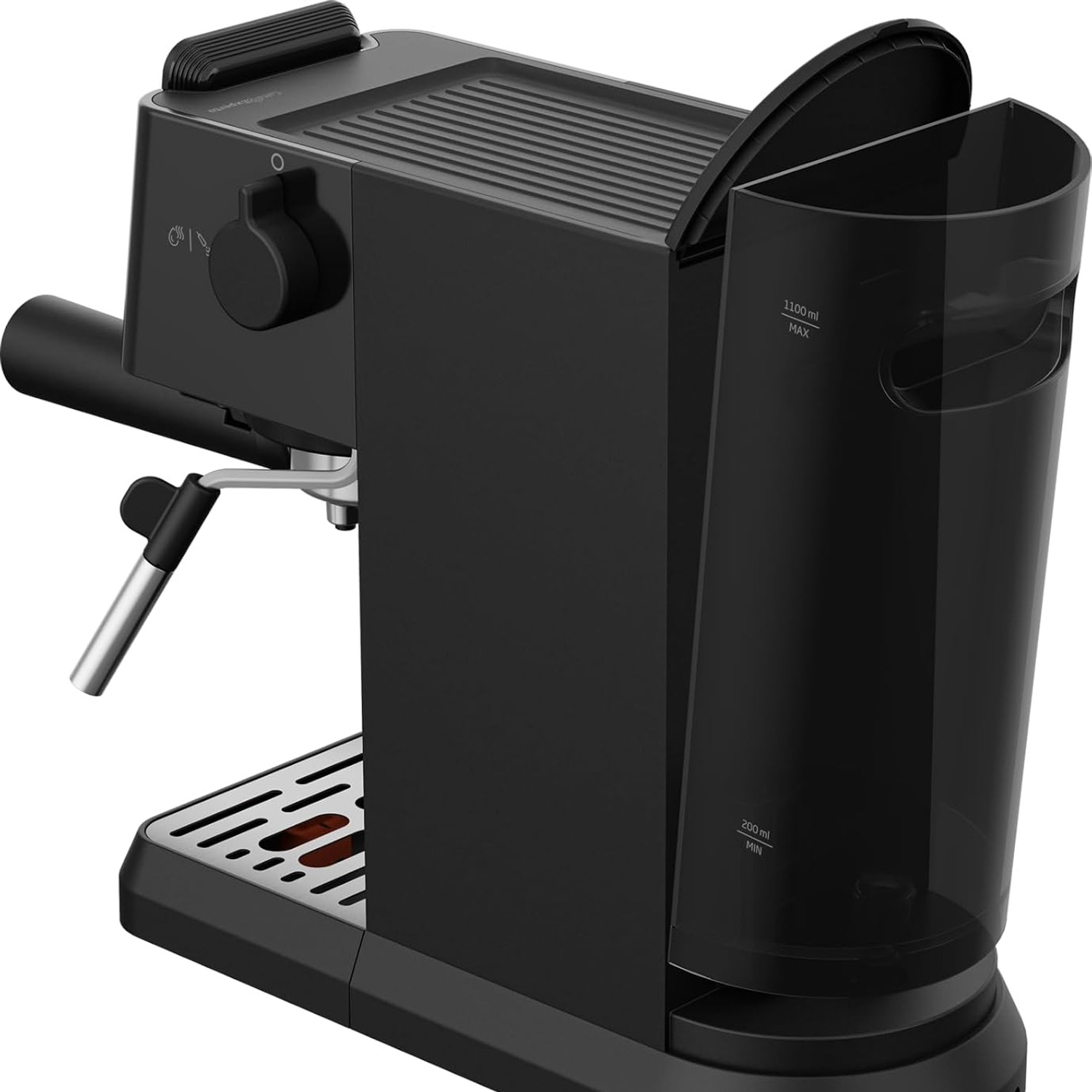
You also need room to work. Think about where cups will sit, how you will reach the water tank and whether you can clean around the machine. The tank removal method is not specified, so do not plan a tight enclosure around an assumed access direction.
The glossy black finish may fit your home coffee station visually. Physical access, however, should come before matching the look of other appliances.
Match capacity and outlets to your household
The stated capacity is 1.1 litres. That helps when comparing machines, but it is not a fixed number of drinks.
Water use changes with serving size and any flushing or cleaning required by the instructions. Milk preparation may also affect your routine. Consider how often you are willing to check and refill the water supply rather than working from an exact cup count.
A dual outlet espresso machine can pour through two outlets at once. This model lists that feature, but cup clearance and the exact serving arrangement are not detailed.
If you and another person make coffee together each morning, check how your usual cups fit before assuming the setup will suit both servings. If you mainly brew for yourself, ease of use and cleaning may matter more than having two outlets.
Check electrical compatibility before ordering
The electrical specifications are 220 V and 1628 W. These are important purchase details, especially on a our that serves more than one country.
Do not assume a machine is ready for your local socket just because it is available to order. Plug type and electrical frequency are not specified by the maker. Confirm compatibility with the supply where you plan to use it.
A plug adapter does not by itself make an appliance suitable for a different voltage. If you are unsure, get qualified advice before buying or connecting it.
The listed weight is 3.5 kg. Plan a stable location with access to a suitable power outlet and follow the supplied safety instructions. Coffee preparation involves hot water and hot surfaces, so leave a work area that is comfortable to use.
Consider home and office use differently
Home and office are both listed recommended uses. That does not establish a commercial duty rating or confirm that the machine can handle a busy shared kitchen.
At home, you may be happy to learn the controls and take care of cleaning yourself. In an office, several people may use the appliance differently, and maintenance can be easy to overlook.
Before choosing it as an office espresso machine, decide who will refill the water, clean the filter and look after the milk system. Confirm any capacity or support requirements that matter to your workplace.
For a gift, the same practical checks help. A recipient who enjoys hands-on coffee making may value manual operation. Someone who wants the quickest possible drink may have different priorities.
Keep care simple and regular
A reusable filter coffee machine needs routine cleaning to remove coffee residue. Follow the manual for the correct method and for which parts can be removed.
Switch off, unplug and let the machine cool before cleaning where instructed. Wipe the exterior with a soft damp cloth. Do not immerse the electrical body or assume removable parts are dishwasher-safe.
Give milk-contact surfaces particular attention after use. Dried milk is harder to remove later, and leaving cleanup until the next morning adds work to your next coffee.
Descaling is separate from everyday wiping and rinsing. Follow the manufacturer instructions for timing and approved products. The maker gives no fixed descaling schedule here, and water conditions can affect what is needed.
The short version
This black manual espresso machine combines ground-coffee brewing, a reusable filter, dual outlets and an integrated milk frother. Its touch screen and listed BrewSense feature sit alongside a 1.1 litre capacity and 15 bar output pressure.
It is worth considering if you want a hands-on coffee routine and have room for its full footprint. Before ordering, confirm local electrical compatibility, any accessories you need, delivery information and return terms. A machine that fits your habits is a better choice than one selected by a single headline specification.